Abstract Geometric Texture Backgrounds: Creative Solutions for Modern Design Needs
What Exactly Are Abstract Geometric Texture Backgrounds?
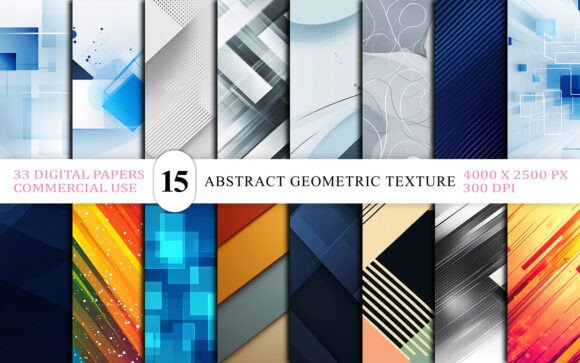
Abstract geometric texture backgrounds are visually engaging digital assets that combine geometric shapes, patterns, and textures to create dynamic and modern designs. These backgrounds often feature a mix of clean lines, polygons, circles, and color gradients that evoke a sense of movement, innovation, and depth. Whether you're designing a website, presentation, or marketing material, these textures can elevate your visuals with a contemporary edge.
Why Designers and Businesses Are Turning to Geometric Textures
With the rise of minimalism and futuristic design trends, abstract geometric textures have become a go-to resource for creatives across industries. Their versatility makes them ideal for everything from tech startups looking to showcase innovation to interior designers crafting elegant brand identities. These backgrounds are not just decorative—they communicate a sense of professionalism, creativity, and forward-thinking.
Applications Across Industries
Let’s explore how different professionals and sectors can benefit from using Abstract Geometric Texture Backgrounds:
- Web Designers: Use these textures as full-page backgrounds or section dividers to create visual rhythm and depth without overwhelming the user interface. A subtle geometric pattern in soft blue tones can make a tech website feel both modern and approachable.
- Marketing Teams: From social media posts to email headers, geometric textures add a polished and cohesive look. Try overlaying bold text on a dynamic striped or gradient background to highlight promotions or key messages.
- Presentations & Pitch Decks: Replace standard slides with textured backdrops that reflect your brand’s personality. A clean, low-poly background can subtly reinforce themes of innovation and connectivity in a business pitch.
- Print & Packaging Design: Incorporate these textures into product packaging or brochures for a contemporary aesthetic. A white-based geometric pattern with soft shadows can give a premium feel to minimalist packaging.
- Interior & Graphic Design: Use them as digital wallpapers, canvas prints, or decor elements in virtual room designs. A vibrant, colorful background with geometric illusions can become a statement wall in a digital concept.
Choosing the Right Texture for Your Project
Not all geometric textures are created equal. Here are a few practical considerations to keep in mind when selecting the right one for your specific use case:
- Color Scheme: Match the background to your brand colors or the mood of your content. Blue geometric backgrounds are often associated with trust and technology, while vibrant or rainbow-colored textures work well for creative or playful projects.
- Resolution & Format: The included 33 JPG files at 4000 x 2500 pixels and 300 DPI ensure high-quality output for both screen and print. Make sure the resolution suits your intended use—especially for large banners or high-end print materials.
- Style & Complexity: Choose simpler patterns for backgrounds that need to support text or other design elements. More complex textures with 3D optical illusions or layered effects work best as standalone visuals or in digital art showcases.
- Commercial Use: Since these textures are labeled for commercial use, you can confidently integrate them into client projects, product designs, or branded assets without worrying about licensing issues.
Real-World Examples of Effective Use
Let’s take a look at how different users have successfully implemented geometric textures in their work:
- Startup Website: A SaaS company used a soft gradient geometric background with transparent layers to create a sense of depth on their homepage. This subtle design choice reinforced their brand’s innovative and user-friendly image.
- Art Exhibition Poster: An artist combined a dynamic polygonal background with bold typography to highlight a modern art show. The texture added visual interest without competing with the featured artwork.
- Corporate Presentation: A financial firm used a clean, minimal geometric backdrop with a neutral color palette to maintain professionalism while subtly enhancing the modernity of their slides.
- Mobile App UI: A design team applied a low-poly background with light shadows to a mobile app interface, creating a sense of dimension and interactivity without affecting usability.
When to Avoid or Modify Geometric Textures
While these textures are incredibly versatile, they’re not always the best fit for every project. Here are a few situations where you might want to reconsider or adapt your approach:
- High-Contrast Readability Needs: If your design requires a lot of text overlay, especially in smaller sizes, a busy geometric pattern might make content harder to read. Opt for simpler, more subdued textures or adjust contrast levels accordingly.
- Traditional Branding: For industries like law or finance, where classic and conservative visuals are expected, a bold or vibrant geometric background might feel out of place. In these cases, using a subtle grey or monochrome pattern can still add interest without straying from brand guidelines.
- Print Limitations: While the 300 DPI resolution supports high-quality printing, always test how the texture looks on physical media—especially if you're using it for large-format prints like banners or posters.
Maximizing the Impact of Your Texture Bundle
The 33 Abstract Geometric Texture Backgrounds bundle offers a wide variety of styles, from bright and bold to soft and neutral. Here’s how to get the most out of your collection:
- Create a Cohesive Visual Language: Mix and match textures within the same project to maintain a unified aesthetic. For example, use a bright diagonal stripe pattern for a hero section and a subtle gradient texture for supporting sections.
- Customize for Specific Needs: Don’t be afraid to tweak colors, opacity, or layout to fit your design. Most textures work well with layer blending modes in graphic software, allowing for creative combinations.
- Use in Both Digital and Print: Whether you're designing a website or a product catalog, these high-resolution files ensure your visuals remain sharp and professional across all platforms.
- Incorporate Into Templates: Save time by building reusable templates with these textures for social media, presentations, or landing pages. This ensures consistency and speeds up your workflow.
Final Thoughts on Using Geometric Textures
Whether you're a designer, marketer, or small business owner, the right background can make a significant difference in how your message is received. Abstract Geometric Texture Backgrounds offer a perfect balance of style and functionality, allowing you to create designs that stand out while remaining professional and easy to use. With thoughtful application and a clear understanding of your audience, these textures can become a go-to tool in your creative arsenal.